

Sea Freight – A Cost-Effective Solution for International Trade
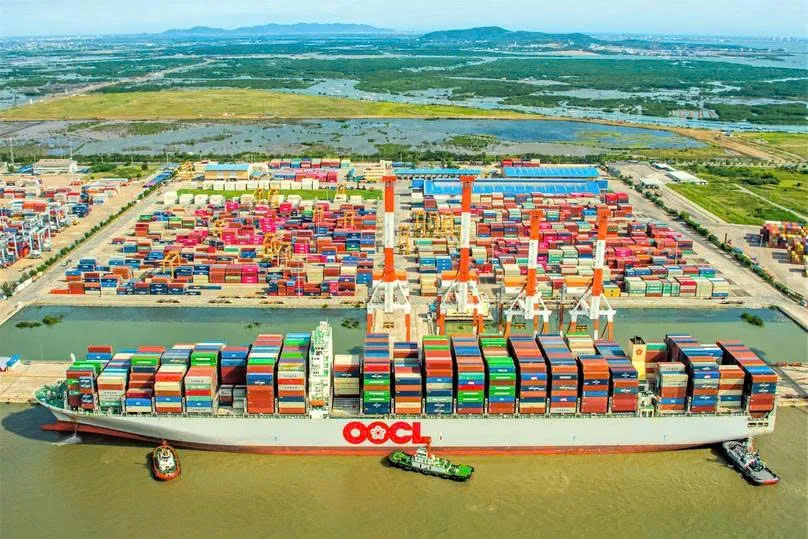
Sea freight is the primary mode of transportation in global commerce, accounting for a large proportion of total cargo movement. Thanks to its high carrying capacity and lower costs compared with air freight, it is the optimal choice for heavy, bulky, or oversized shipments.
Why do businesses prioritize sea freight?
- Suitable for large-volume, oversized and heavyweight cargo
- Lower cost compared with air transport
- Lower environmental impact, contributing to CO₂ emission reduction
- Extensive network connecting major seaports worldwide
Popular container shipping methods
- FCL (Full Container Load): Full container shipments; reduced risk of damage and shorter transit times
- LCL (Less than Container Load): Consolidated shipments with multiple shippers; flexible but potentially longer transit time
Common types of containers
- Dry Container: General cargo (20ft, 40ft)
- Reefer Container: Temperature-controlled, perishable goods
- Flat Rack / Open Top: Oversized cargo, project cargo
- ISO Tank: Liquids and chemicals
- Specialized Container: Hazardous or special cargo
Air Freight – Fast, Secure, Ideal for High-Value Cargo
Air freight is the optimal option when speed is the top priority. With rapid delivery times, high security, and professional handling processes, it is well-suited for high-value or time-sensitive goods.
Key advantages
- Very fast transit time
- Fewer handling stages, minimizing risk of damage
- Stable flight schedules and accurate delivery
- Simpler procedures compared with sea freight
Goods commonly transported by air
- Electronics and technological components
- Pharmaceuticals and medical supplies
- Fashion and consumer goods
- Fresh seafood
- Documents and production samples
However, high costs and limitations on weight and size make air freight unsuitable for large or bulky shipments.
Multimodal Transport – A Flexible Solution for Modern Supply Chains
Multimodal transport combines multiple modes of transportation within a single journey, for example: road + sea, or sea + air.
Benefits of multimodal transport
- Expands global connectivity
- Reduces waiting time and warehousing costs
- Uses a single set of documents for the entire journey
- Flexibly selects optimal routes for each type of cargo
Example route: truck → seaport → ocean vessel → final-leg truck; or sea freight combined with air freight to shorten delivery time.
Which transportation method should you choose?
There is no single “best” method—only the most suitable option for each specific need. Businesses should consider:
- Cargo characteristics
- Size and weight
- Transportation budget
- Required delivery time
- Destination and route
Aspress Shipping Vietnam is ready to advise on optimal transport solutions for each shipment, helping businesses save both time and costs in import–export operations.