
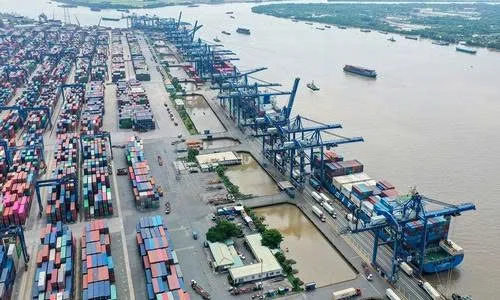
By 2030, cargo throughput at Ho Chi Minh City’s seaport system is forecast to reach 463.4 - 512.5 million tonnes, including approximately 29.63 - 33.16 million TEUs of containerized cargo. The city is moving towards a green and smart port logistics ecosystem supported by stronger regional connectivity.
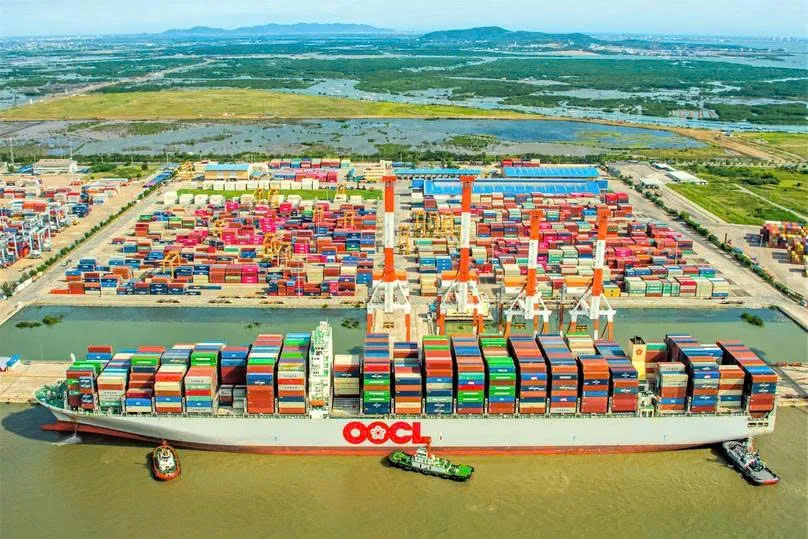
Expanded development space for the seaport system
At the Ho Chi Minh City Friendship Dialogue 2026, held from September 10 to 12 in Vung Tau Ward, representatives of government agencies, industry associations and businesses discussed the role of local authorities in strengthening port cooperation and meeting new sustainability standards.
According to Bui Hoa An, Deputy Director of the Ho Chi Minh City Department of Construction, following the expansion of the city’s development area, its seaport system is no longer limited to Cat Lai, Hiep Phuoc and Nha Be. It now connects with the river port system in the Binh Duong area and the Cai Mep–Thi Vai deep-water port cluster.
This new structure provides Ho Chi Minh City with opportunities to coordinate cargo flows, connect manufacturing areas and develop an interregional logistics network. At the same time, the expanded scale requires integrated planning, synchronized infrastructure and closer coordination among different modes of transport.
On June 29, 2026, the Ministry of Construction issued Decision No. 1061/QD-BXD, approving adjustments to the Master Plan for Maritime Infrastructure for the 2021 - 2030 Period, with a Vision to 2050. The decision updates the development direction for Vietnam’s seaport system and maritime infrastructure.
Container throughput could exceed 33 million TEUs
By 2030, cargo throughput across Ho Chi Minh City’s seaport system is forecast to reach between 463.4 and 512.5 million tonnes. Container throughput is projected at approximately 29.63 - 33.16 million TEUs, excluding international transshipment cargo. Passenger throughput is expected to reach between 3 million and 3.3 million.
At this scale, Ho Chi Minh City aims to strengthen its position within the regional port and logistics network while moving towards a greater role in coordinating interregional port and logistics activities.
Looking towards 2050, cargo demand is forecast to grow by an annual average of approximately 4.4 - 4.9%, while passenger throughput could increase by around 1 - 1.4% per year.
Three main areas of port development
To meet future cargo transportation demand, Ho Chi Minh City has identified three priority areas.
First, the city plans to increase investment in port infrastructure and transport systems connecting ports with logistics centres and manufacturing areas. The objective is to optimize cargo flows, reduce logistics costs and strengthen connectivity with international shipping routes.
Second, the city will focus on developing mechanisms and policies supporting seaports, inland waterways and waterborne transport. Digital transformation, automation, green ports and smart ports are also among its main development priorities.
Third, Ho Chi Minh City is studying mechanisms to facilitate the movement of cargo through its ports, including free trade zones and open-port models.
Infrastructure connectivity remains a challenge
According to Dang Minh Phuong, Chairwoman of the Ho Chi Minh City Logistics and Port Association, Ho Chi Minh City and the Southern Key Economic Region currently handle more than 65% of Vietnam’s import-export container volume.
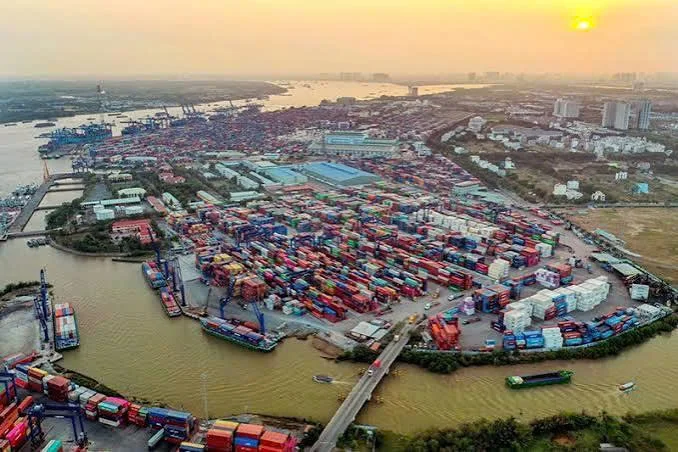
In 2025, container throughput across the port system in the region exceeded 18 million TEUs. The Cai Mep - Thi Vai deep-water port cluster can accommodate large container vessels operating direct services to Europe and the Americas without transshipment at foreign ports.
However, Vietnam’s logistics costs currently account for approximately 18% of GDP, which remains higher than in several other countries in the region.
One of the main causes is the lack of synchronized infrastructure connectivity and the fragmentation of resources among localities. Pressure on road transport, the progress of interregional transport projects and the underutilization of inland waterways continue to affect cargo transportation times and costs.
The network of inland container depots and satellite inland waterway terminals has also not developed in line with demand. As a result, part of the region’s cargo flow remains heavily dependent on road transport for connections with major ports.
Moving towards an integrated logistics ecosystem
To address existing bottlenecks, the Ho Chi Minh City Logistics and Port Association has proposed stronger regional coordination mechanisms, integrated logistics planning and faster development of multimodal transport infrastructure.
Other proposed measures include expanding inland container depots and satellite waterway terminals, improving data connectivity between government agencies and businesses, accelerating digital transformation, using clean energy and developing green-port models.
According to Ngo Thi Thanh Vy, General Director of QTM International Port Joint Stock Company, future competition will take place not only between individual ports but also between entire logistics ecosystems.
In addition to cargo-handling and vessel-receiving capacity, customers are increasingly concerned about total transportation time, end-to-end supply chain costs, data traceability, operational stability and supply chain sustainability.
The development of smart ports should therefore begin with practical issues such as vessel waiting times, operational productivity, costs, procedures and the ability of relevant stakeholders to coordinate and share data.
Strengthening international port connectivity
Ho Chi Minh City has been encouraged to promote international cooperation at four levels: city to city, port to port, business to business and market to market.
Cooperation activities could focus on sharing port management and operational experience, transferring technology, connecting data platforms, testing green solutions and developing new shipping services or logistics corridors.
At the Ho Chi Minh City Friendship Dialogue 2026, the city also proposed studying a multilateral cooperation mechanism among port cities within its network of partner localities. Relevant agencies will continue to develop the content, operating model and implementation roadmap for the proposed mechanism.
Source: Compiled