

In international trade, businesses do not always have sufficient cargo volume to fill a full container. In such cases, Less than Container Load (LCL) services offer a flexible and cost-effective logistics solution for importers and exporters.
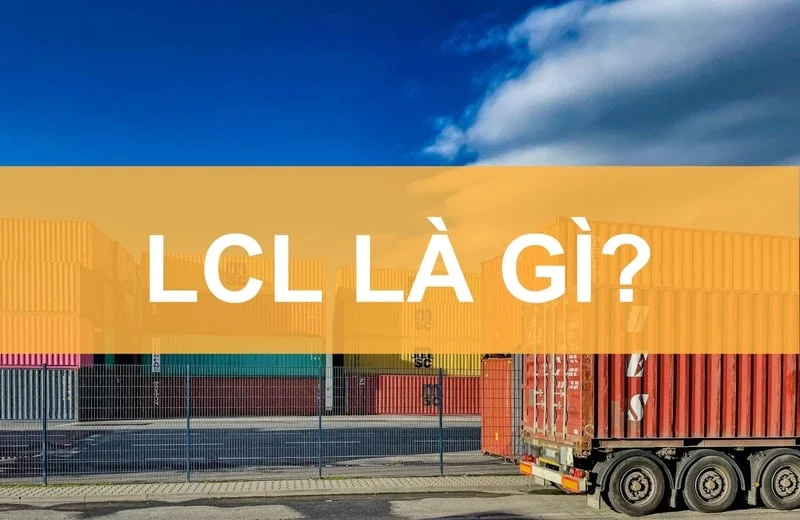
What is LCL cargo?
LCL cargo refers to shipments where multiple consignments from different shippers are consolidated into a single container. Each shipper pays freight charges based on the actual volume or weight of their cargo, rather than the cost of an entire container.
Benefits of LCL shipping
For small and medium-sized enterprises, LCL services help reduce logistics costs, especially when shipment volumes are irregular or limited. This solution also allows businesses to ship goods more frequently without waiting to accumulate enough cargo for a full container.
In addition, professional LCL services provide access to a wide range of international routes, enabling businesses to expand into new markets with greater flexibility and lower initial risk.
Key considerations for LCL shipments
Compared to Full Container Load (FCL), LCL shipments require more careful handling in terms of consolidation, cargo separation, and documentation. Proper packaging, clear labeling, and accurate shipment information are essential to prevent delays or additional charges.
Transit time for LCL cargo may also be longer due to consolidation and deconsolidation processes at origin and destination ports. Choosing an experienced logistics provider is therefore crucial to ensure smooth operations and reliable delivery schedules.
The role of logistics service providers
A professional logistics provider supports businesses throughout the entire process, from transport planning and cargo consolidation to customs clearance and final delivery. For LCL shipments in particular, strong CFS capabilities, efficient management systems, and a reliable global agent network play a critical role in service quality.
As international trade continues to grow, LCL shipping remains an optimal solution for many importers and exporters, offering a balanced approach to cost efficiency, transit time, and operational flexibility.