

What is the LPI Index?
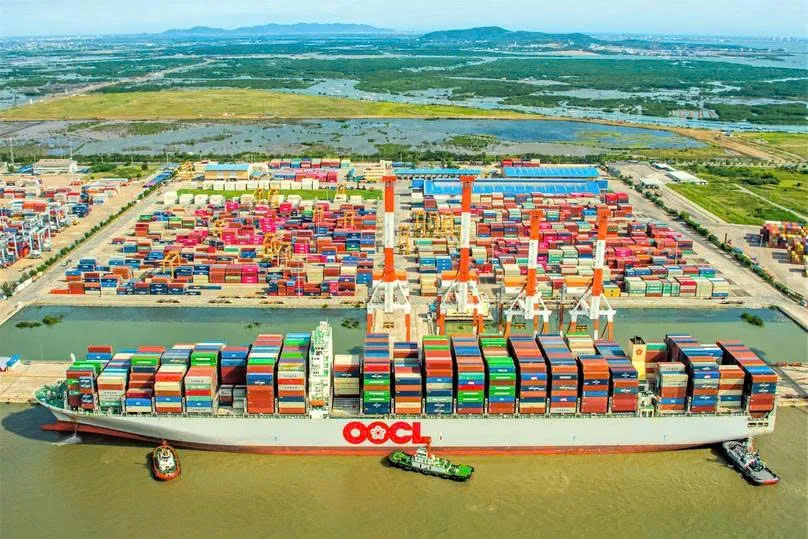
LPI (Logistics Performance Index) is a set of indicators developed and periodically published by the World Bank since 2007. The purpose of LPI is to assess the level of modernization and efficiency of each country’s logistics operations based on various factors:
- Quality of transport infrastructure
- Cargo handling capacity
- Customs procedures
- Reliability and quality of logistics services
- Ability to track shipment movements
- Speed and timeliness of delivery
In other words, LPI is like a comprehensive “snapshot” of each country’s logistics capability. It is widely used by governments, businesses, investors, and international organizations.

In Vietnam, LPI has received increasing attention because it directly reflects the business environment, national competitiveness, and attractiveness to foreign investment in the logistics sector.
Six Core Criteria Used to Evaluate the LPI Index
LPI is built on six main criteria, each representing an important aspect of the supply chain:
1. Infrastructure
Evaluates the quality of road networks, railways, seaports, airports, and other logistics-supporting systems. Strong infrastructure enables faster transport and lower costs.
2. Shipping and logistics costs
Considers port fees, warehousing charges, tolls, and surcharges that impact logistics costs.
3. Logistics competence and efficiency
Measures the professionalism and reliability of transport companies, warehouses, freight forwarders, as well as the performance of regulatory authorities.
4. Tracking and tracing
Assesses the ability to track shipment status and location.
5. Timeliness
Evaluates delivery performance compared to planned schedules: whether shipments arrive on time or are delayed.
6. Customs procedures
Considers transparency, speed, and efficiency of customs and specialized inspection authorities.
Thanks to these criteria, the LPI becomes a crucial reference that helps businesses and governments clearly identify strengths and weaknesses within their logistics systems.
Global LPI Rankings
Since its launch in 2007, the World Bank has published LPI approximately every two years. In the latest ranking (2018), European countries clearly dominated the top positions globally thanks to:
- Well-developed infrastructure
- Optimized supply chains
- Modern operational capacity
- Favorable trade environments
In addition, several Asian countries such as Japan and Singapore also stand out, consistently maintaining high positions in the ranking.
LPI Index in Vietnam: Key Highlights
Over recent years, Vietnam has made significant improvements in LPI thanks to logistics reforms and infrastructure development.
1. Steady growth
Vietnam has continuously improved its LPI score and ranking, reflecting joint efforts from both the public and private sectors to enhance supply chain performance.
2. Impressive leap in 2018
The year 2018 marked a milestone when Vietnam jumped 25 places compared with the previous report. Improvements were recorded across all six evaluation criteria.
3. Impact of government policies
In recent years, the Government has promoted:
- Customs procedure reforms
- Investments in transport infrastructure
- Simplification of import–export processes
- Support for logistics enterprises to adopt new technologies
As a result, Vietnam’s logistics industry has begun to see a clear transformation.
Conclusion
The Logistics Performance Index is not merely a number—it is an important benchmark that helps countries, including Vietnam, orient development policies, improve infrastructure, and enhance competitiveness.
For businesses, especially those operating in import–export, freight forwarding, and transportation, LPI is a valuable reference for evaluating the logistics environment before making business decisions.
Aspress Shipping hopes this article has given you a clearer and more comprehensive understanding of the LPI index and its significance in the global supply chain.